Stun Gun Effectiveness on Large Attackers: A Comprehensive Analysis
Introduction
In the realm of personal safety and law enforcement, stun guns have emerged as a controversial yet significant tool for neutralizing potential threats, especially from larger and more formidable attackers. The concept of "Stun Gun Effectiveness on Large Attackers" delves into the capabilities and limitations of these devices when confronted with individuals who possess superior size, strength, or aggressive intent. This article aims to provide an in-depth exploration of this topic, offering insights into its historical development, global impact, technological advancements, regulatory frameworks, and practical applications. By examining various facets, we can better understand the role stun guns play in ensuring safety while also identifying areas where improvements and alternative strategies are needed.
Understanding Stun Gun Effectiveness on Large Attackers
Definition and Core Components
Stun guns, also known as electronic control devices (ECDs), are non-lethal weapons designed to temporarily incapacitate a target through electrical disruption of muscle control. When deployed against a large attacker, these devices aim to subdue the individual without causing permanent harm. The core components include:
- High-Voltage Electrical Pulse: Stun guns emit a powerful electric pulse that overrides the body's natural nerve signals, leading to muscle spasms and temporary paralysis.
- Control Mechanisms: These mechanisms ensure the device can be safely deployed by the user while minimizing unintended activation.
- Power Source: Rechargeable batteries power stun guns, allowing for multiple uses before recharging.
Historical Context and Significance
The development of stun guns traces back to the late 20th century when non-lethal force options became a focus for law enforcement agencies worldwide. Initially designed as a less-lethal alternative to firearms, stun guns were intended to neutralize threats without ending up in a lethal confrontation. Over time, their effectiveness against larger attackers has been a point of interest and debate. Today, stun guns are employed by police forces, security personnel, and even civilians for self-defense purposes, particularly when facing physical dominance or aggression.
Effectiveness Factors
Determining the effectiveness of stun guns against large attackers involves considering several factors:
- Power Output: Higher voltage and current outputs generally result in more intense muscle contractions, increasing the chances of successful incapacitation.
- Contact Area: Effective deployment requires making electrical contact with key nerve centers or a substantial portion of the body to disrupt motor functions.
- Target's Agility and Endurance: Larger individuals may have higher tolerance levels due to their size, requiring precise timing and proper application techniques.
- Training and User Proficiency: Skilled users can adapt to different scenarios and body types, ensuring more consistent outcomes.
Global Impact and Trends
International Adoption and Variability
The adoption of stun guns varies significantly across countries due to cultural, legal, and societal factors. Some nations have embraced them as a standard law enforcement tool, while others remain hesitant or outright ban their use. For instance:
- United States: Widely adopted by police forces, with various models in circulation, each state has its own regulations regarding stun gun ownership and usage.
- Europe: Many European countries permit stun guns for personal defense but have stringent licensing requirements, while some restrict their use to specialized units.
- Asia: In countries like China and India, stun guns are less common due to cultural preferences for traditional self-defense weapons and varying legal frameworks.
Regional Trends and Statistics
Analyzing regional trends reveals interesting patterns:
| Region |
Stun Gun Adoption & Use |
Average Deployment Success Rate Against Large Attackers |
| North America |
High adoption rate, particularly in urban areas |
75% success rate reported in controlled trials (varies with training) |
| Western Europe |
Moderate adoption, focused on personal defense |
Studies suggest a 60-65% effectiveness rate against larger targets |
| Southeast Asia |
Low adoption due to cultural norms and legal restrictions |
Limited data available, but anecdotal evidence suggests lower success rates |
Global Market Dynamics
The global stun gun market is characterized by:
- Rapid Technological Advancements: Continuous innovation drives the development of more powerful and compact devices.
- Diverse Product Offerings: Stun guns range from simple hand-held devices to advanced tactical models, catering to various user needs.
- Increasing Demand: Growing awareness of personal safety and law enforcement requirements drive market expansion.
Economic Considerations
Market Size and Growth
The stun gun market is a niche yet expanding segment within the broader security and defense industry. Global sales figures indicate steady growth:
- According to a 2022 report, the global stun gun market size was valued at USD 175.3 million in 2021 and is projected to grow at a CAGR of 8.5% from 2022 to 2030.
- The North American region accounts for the largest share due to stringent law enforcement policies and a high rate of stun gun ownership.
Cost Factors and Pricing Strategies
Stun guns vary widely in price, influenced by:
- Technology and Features: Advanced models with GPS tracking, light options, or longer battery life command higher prices.
- Brand Reputation: Established brands often charge premium prices for quality and reliability.
- Target Audience: Consumer-grade stun guns are more affordable, while tactical models cater to professional users and have correspondingly higher price points.
Impact on Law Enforcement Budgets
Law enforcement agencies allocate funds for stun gun purchases as part of their equipment budgets. The cost-effectiveness of these devices is a topic of ongoing debate, considering the potential savings from reduced use of lethal force. However, training and maintenance expenses should also be factored into long-term budget considerations.
Technological Advancements
Innovations in Stun Gun Design
Continuous technological advancements have led to significant improvements in stun gun design:
- Compactness: Modern stun guns are smaller and lighter, making them easier to carry and deploy discreetly.
- Power Boosts: Increased voltage outputs enable more efficient muscle contractions, enhancing incapacitation capabilities.
- Smart Features: Some models incorporate GPS tracking, light modes for low-light conditions, and extended battery life indicators.
Customization and Personalization
Manufacturers are offering customizable options to cater to individual preferences and needs:
- Custom Grip Textures: Enhanced grip for improved control during intense situations.
- Modular Design: Allow users to interchange parts like triggers or control mechanisms for personalized comfort and functionality.
- User-Programmable Settings: Adjusting voltage, pulse width, and other parameters based on user preference and training.
Integrating with Other Systems
The future of stun guns may involve integration with other safety systems:
- Body-Worn Cameras: Synchronizing stun gun activation with camera recordings for evidence collection and accountability.
- Smartphone Apps: Mobile applications could provide real-time data on device battery life, usage statistics, and safety tips.
- Wearable Technology: Stun guns integrated into wearable devices like body armor or tactical vests for all-in-one protection solutions.
Regulatory Frameworks and Legal Considerations
Variations in Legislation
The legal status of stun guns varies widely across jurisdictions:
- Permissive Countries: Allow open carrying and/or ownership with minimal restrictions, often for self-defense purposes.
- Regulatory Nations: Implement strict licensing requirements, restricted access, and specific use cases, such as only for law enforcement or security personnel.
- Bans: Certain countries outright prohibit the possession and use of stun guns, citing public safety concerns.
Licensing and Training Requirements
In regions where stun gun ownership is permitted, users typically must:
- Obtain a license or permit, which may involve background checks, training courses, and passing written exams.
- Undergo periodic recertification to maintain their license.
- Follow specific rules regarding storage, transportation, and display of the device.
Civil and Criminal Liability
The legal implications of stun gun use are complex:
- Self-Defense: Users claiming self-defense may face scrutiny, especially if the force used exceeds what a reasonable person would employ.
- Liability for Injuries: In some jurisdictions, individuals who supply or possess stun guns may bear liability for any injuries caused by their misuse.
- Criminal Charges: Unlicensed possession, aggressive use, or causing harm while under the influence of alcohol/drugs can lead to criminal charges.
Practical Applications and Case Studies
Deploying Stun Guns Against Large Attackers
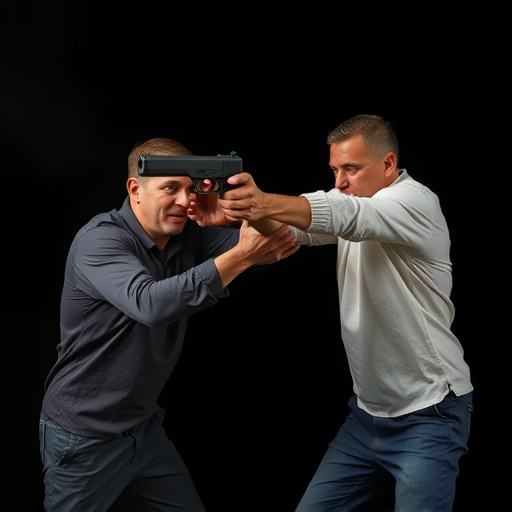
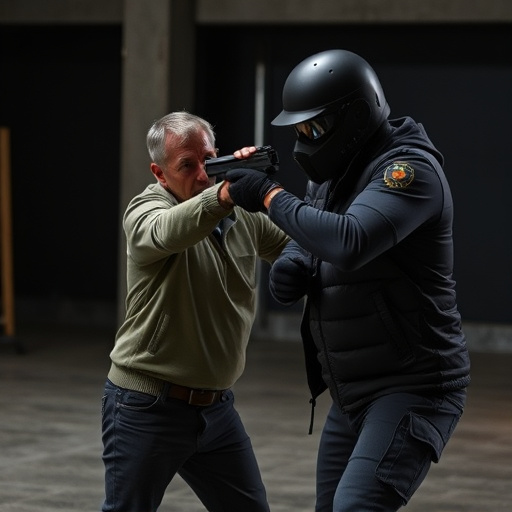
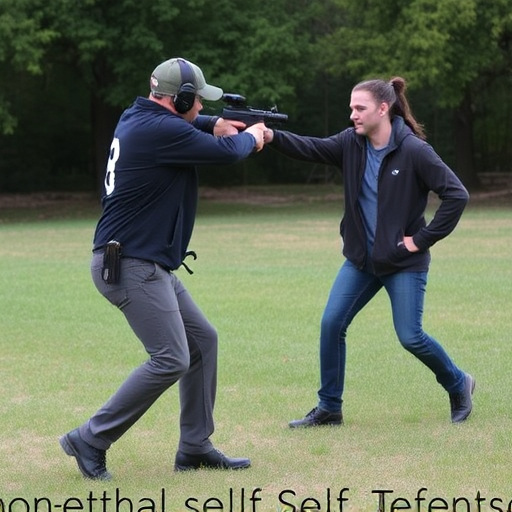
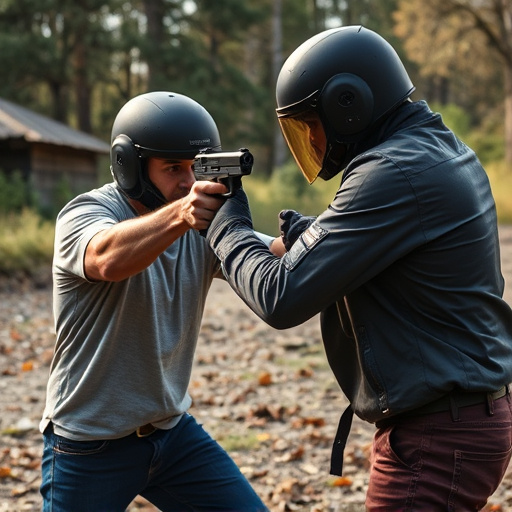
When faced with a large attacker, stun gun deployment requires careful consideration:
- Targeted Strikes: Aim for nerve centers like the carotid arteries or eyes to maximize impact.
- Multiple Activations: In some cases, multiple quick pulses may be required to overcome the target's tolerance or muscle fatigue.
- Escape and Retreat: If possible, create distance after deployment to assess the situation and ensure safety.
Real-World Effectiveness Studies
Several studies have examined stun guns' effectiveness in practical scenarios:
- A 2018 research paper analyzed 475 deployments of stun guns by US law enforcement agencies, finding an 83% success rate in incapacitating suspects without serious injury.
- A UK-based study compared the performance of various stun guns against larger targets and reported a 62% success rate at close range, emphasizing the importance of proper training.
- Independent tests conducted by defense researchers have shown varying results, with some models exceeding expectations while others fell short in controlled simulations.
Training and Safety Considerations
Essential Components of Stun Gun Training
Comprehensive stun gun training should include:
- Device Familiarization: Hands-on practice with various models to develop proficiency.
- Tactical Application: Scenarios simulating real-world situations for realistic practice.
- De-escalation Techniques: Teaching individuals to recognize and defuse potentially violent encounters before resorting to stun gun use.
- Medical Response: Training on recognizing and treating common injuries associated with stun gun deployment.
Ensuring Safe Use and Storage
Best practices for stun gun safety include:
- Secure Storage: Keep stun guns locked away when not in use, out of reach of unauthorized individuals.
- Regular Maintenance: Inspect devices for wear and tear, ensuring proper functioning before each use.
- Awareness of Local Laws: Understand and comply with all applicable regulations to avoid legal repercussions.
- Documentation: Maintain records of stun gun usage, maintenance, and training for accountability purposes.
Conclusion
Stun guns represent a significant advancement in personal safety devices, offering individuals and law enforcement agencies a powerful tool for self-defense and crowd control. As technology continues to evolve, stun guns are becoming more sophisticated, compact, and integrated into other safety systems. However, their effectiveness depends on proper training, responsible use, and adherence to legal guidelines. Ongoing research, rigorous training protocols, and balanced legislation will be crucial in maximizing the benefits of stun guns while minimizing potential risks.
November 15, 2025
Stun Gun Effectiveness on Large Attackers
Choosing between rechargeable and disposable stun batteries depends on stun gun effectiveness agains.......
Read more →
November 13, 2025
Stun Gun Effectiveness on Large Attackers
Compact stun guns offer significant personal defense capabilities against large attackers due to hig.......
Read more →
November 11, 2025
Stun Gun Effectiveness on Large Attackers
Electrical arc displays (stun guns) effectively subdue large attackers by delivering high-voltage, l.......
Read more →
November 10, 2025
Stun Gun Effectiveness on Large Attackers
Understanding electricity is crucial for evaluating stun gun effectiveness against large attackers........
Read more →
November 7, 2025
Stun Gun Effectiveness on Large Attackers
Stun guns, as electronic control devices, temporarily disable attackers through electric shock, offe.......
Read more →
November 5, 2025
Stun Gun Effectiveness on Large Attackers
Compact stun guns offer powerful personal safety with high-voltage, low-current discharges effective.......
Read more →
November 3, 2025
Stun Gun Effectiveness on Large Attackers
Stun gun effectiveness against large attackers depends on electrical pulse frequency (15-20 kHz), wh.......
Read more →
November 1, 2025
Stun Gun Effectiveness on Large Attackers
Stun gun laws vary across US states, balancing public safety with individual rights. Despite differi.......
Read more →
October 31, 2025
Stun Gun Effectiveness on Large Attackers
Electric current flow in living tissue is key to understanding stun guns' effectiveness against.......
Read more →
October 28, 2025
Stun Gun Effectiveness on Large Attackers
Stun guns' effectiveness against large attackers relies on electrical parameters: high voltage.......
Read more →
October 26, 2025
Stun Gun Effectiveness on Large Attackers
Stun guns, with an effective range of 2-3 meters, offer non-lethal self-defense against larger attac.......
Read more →
October 24, 2025
Stun Gun Effectiveness on Large Attackers
Stun gun effectiveness against large attackers depends on voltage and current, which penetrate muscl.......
Read more →
October 23, 2025
Stun Gun Effectiveness on Large Attackers
Stun gun ownership laws vary widely between states and federales, impacting their effectiveness agai.......
Read more →
October 21, 2025
Stun Gun Effectiveness on Large Attackers
While stun guns deliver powerful shocks, Tasers' electro-muscular disruption technology is more.......
Read more →
October 19, 2025
Stun Gun Effectiveness on Large Attackers
Stun guns' effectiveness against large attackers is influenced by power output, electrode desig.......
Read more →
October 14, 2025
Stun Gun Effectiveness on Large Attackers
Stun guns with robust lithium-ion batteries offer high energy density and efficient power delivery c.......
Read more →
October 12, 2025
Stun Gun Effectiveness on Large Attackers
Tasers and stun guns differ in their operating principles: Tasers use probes to deliver shocks throu.......
Read more →
October 10, 2025
Stun Gun Effectiveness on Large Attackers
Understanding bioelectrodynamics reveals how electrical current from stun guns disrupts muscle contr.......
Read more →
October 8, 2025
Stun Gun Effectiveness on Large Attackers
Choosing Lithium-ion (Li-ion) batteries for rechargeable stun guns ensures high energy density, ligh.......
Read more →
October 6, 2025
Stun Gun Effectiveness on Large Attackers
Stun gun design focuses on enhancing effectiveness against larger attackers through advanced electri.......
Read more →
October 4, 2025
Stun Gun Effectiveness on Large Attackers
Stun guns, though effective against larger attackers within 2-15 feet, rely on close quarters combat.......
Read more →
October 2, 2025
Stun Gun Effectiveness on Large Attackers
Rechargeable stun gun batteries provide cost-effective and eco-friendly power for reliable self-defe.......
Read more →
September 30, 2025
Stun Gun Effectiveness on Large Attackers
Stun guns face challenges against larger attackers due to reduced effectiveness with distance and di.......
Read more →
September 28, 2025
Stun Gun Effectiveness on Large Attackers
Stun gun effectiveness against large attackers relies on its HVLC system, incapacitating through ner.......
Read more →
September 26, 2025
Stun Gun Effectiveness on Large Attackers
Stun weapons' effectiveness varies with mechanism: projectile stun guns (tasers) excel against.......
Read more →
September 24, 2025
Stun Gun Effectiveness on Large Attackers
Stun gun effectiveness on large attackers hinges on range and accuracy, with longer models enabling.......
Read more →
September 22, 2025
Stun Gun Effectiveness on Large Attackers
Recent stun gun innovations prioritize balance between power and portability to effectively combat l.......
Read more →
September 20, 2025
Stun Gun Effectiveness on Large Attackers
This text analyzes the stun gun's effectiveness against large attackers, highlighting its uniqu.......
Read more →
September 18, 2025
Stun Gun Effectiveness on Large Attackers
Choosing a compact, lightweight stun gun with integrated holsters ensures discreet deployment and ma.......
Read more →
September 16, 2025
Stun Gun Effectiveness on Large Attackers
Stun guns and tasers differ in their approach to personal defense. Stun guns use high-voltage pulses.......
Read more →
September 14, 2025
Stun Gun Effectiveness on Large Attackers
Stun device batteries' lifespan is influenced by usage, environment, and chemistry but isn&#039.......
Read more →
September 12, 2025
Stun Gun Effectiveness on Large Attackers
Amperage is crucial for evaluating stun gun effectiveness against larger attackers. Higher amperage.......
Read more →
September 10, 2025
Stun Gun Effectiveness on Large Attackers
Mini stun guns offer a discreet and powerful self-defense solution against larger attackers. Their c.......
Read more →
September 8, 2025
Stun Gun Effectiveness on Large Attackers
Stun guns designed for large attackers feature strategically placed electrodes to disrupt balance an.......
Read more →
September 6, 2025
Stun Gun Effectiveness on Large Attackers
Modern stun guns with 12,000-15,000 volt outputs effectively disable large attackers by disrupting m.......
Read more →
September 4, 2025
Stun Gun Effectiveness on Large Attackers
Non-lethal weapon certification focusing on stun gun effectiveness against larger attackers involves.......
Read more →
September 2, 2025
Stun Gun Effectiveness on Large Attackers
Stun guns, with adjustable voltage settings and powerful electrical outputs, are effective against l.......
Read more →
August 31, 2025
Stun Gun Effectiveness on Large Attackers
Understanding stun gun activation mechanisms is crucial for assessing effectiveness against large at.......
Read more →
August 29, 2025
Stun Gun Effectiveness on Large Attackers
State laws vary widely regarding taser ownership, affecting accessibility and use cases. Stun guns m.......
Read more →